Rattlesnake Cattle Co.
Earn Grazing Income
We design intensive, year-round & partial year grazing plans that improve soil, wildlife habitat, and pasture health without overgrazing your land.
The Problem: What’s Happening on Your Land?
You’re already managing for wildlife or deer. We help you manage for the whole ecosystem.
Pastures getting rank or overgrown
Some areas bare or weedy, others underused
Feeders concentrated in edge zones, while the rest of the land sits idle
The Solution: Cattle as a Land‑Management Tool
Mimicking bison‑style herds: short bursts of grazing, then long rest
Removing fuel load, improving plant diversity, and opening up browse for wildlife
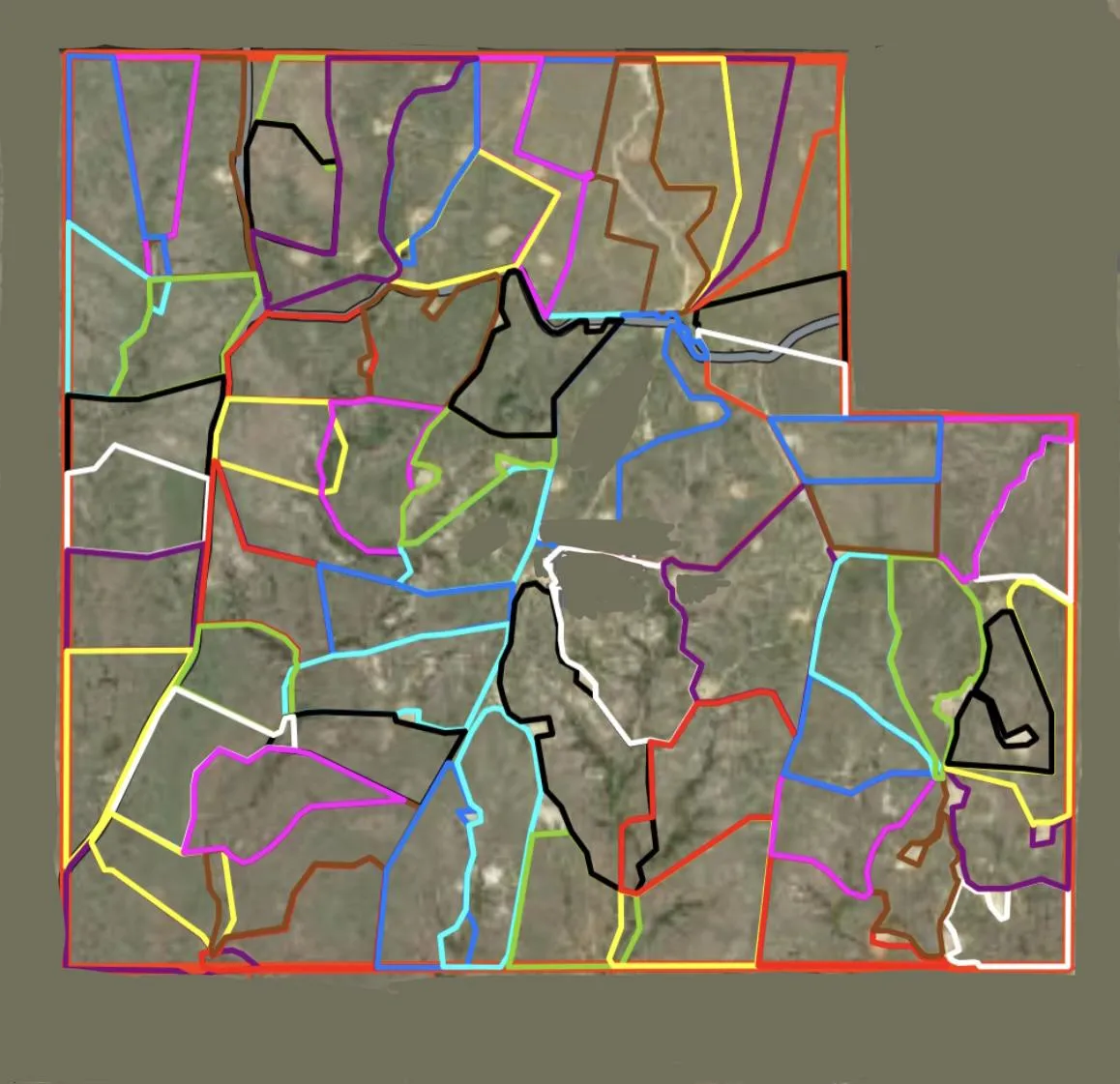
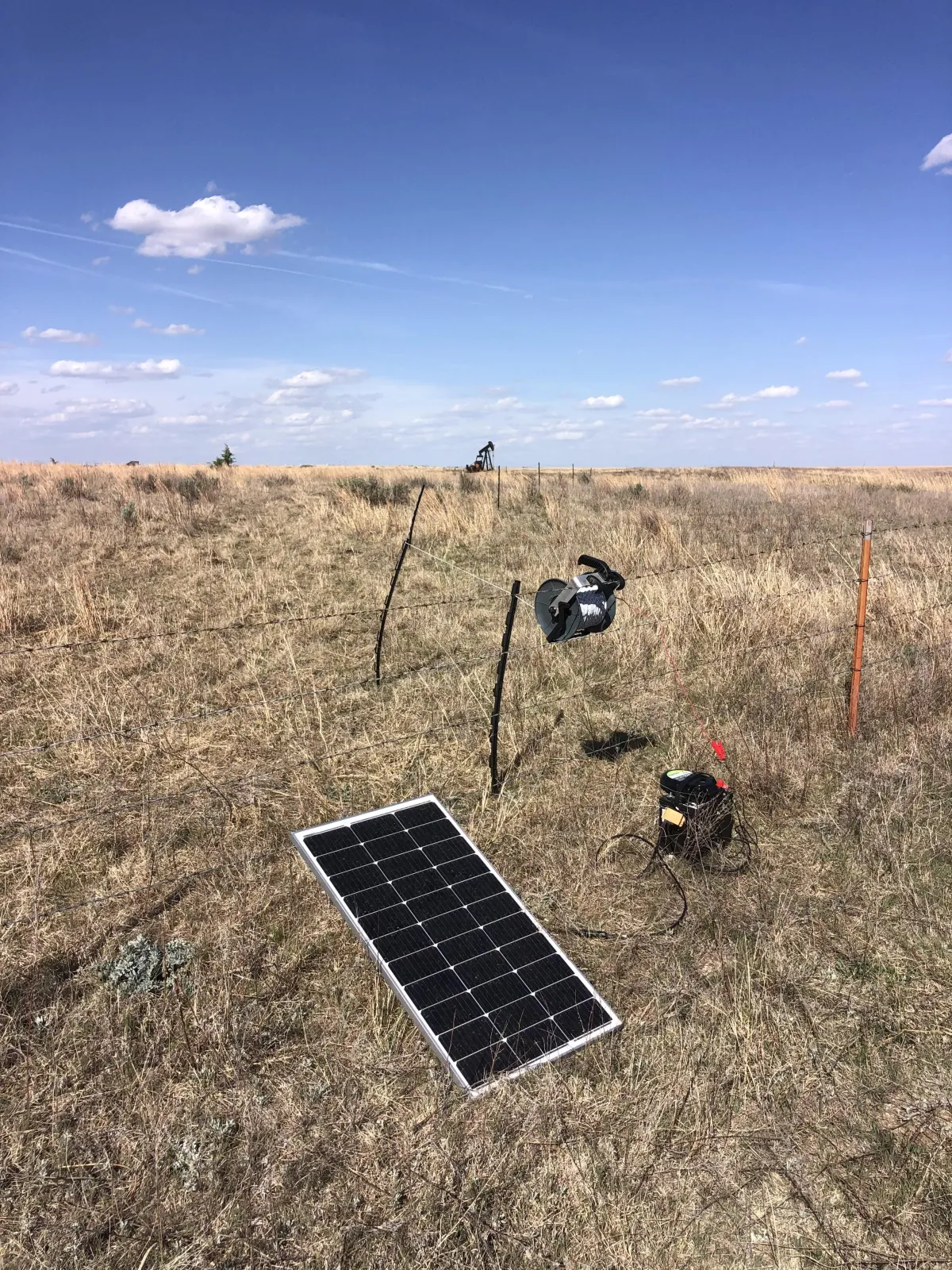
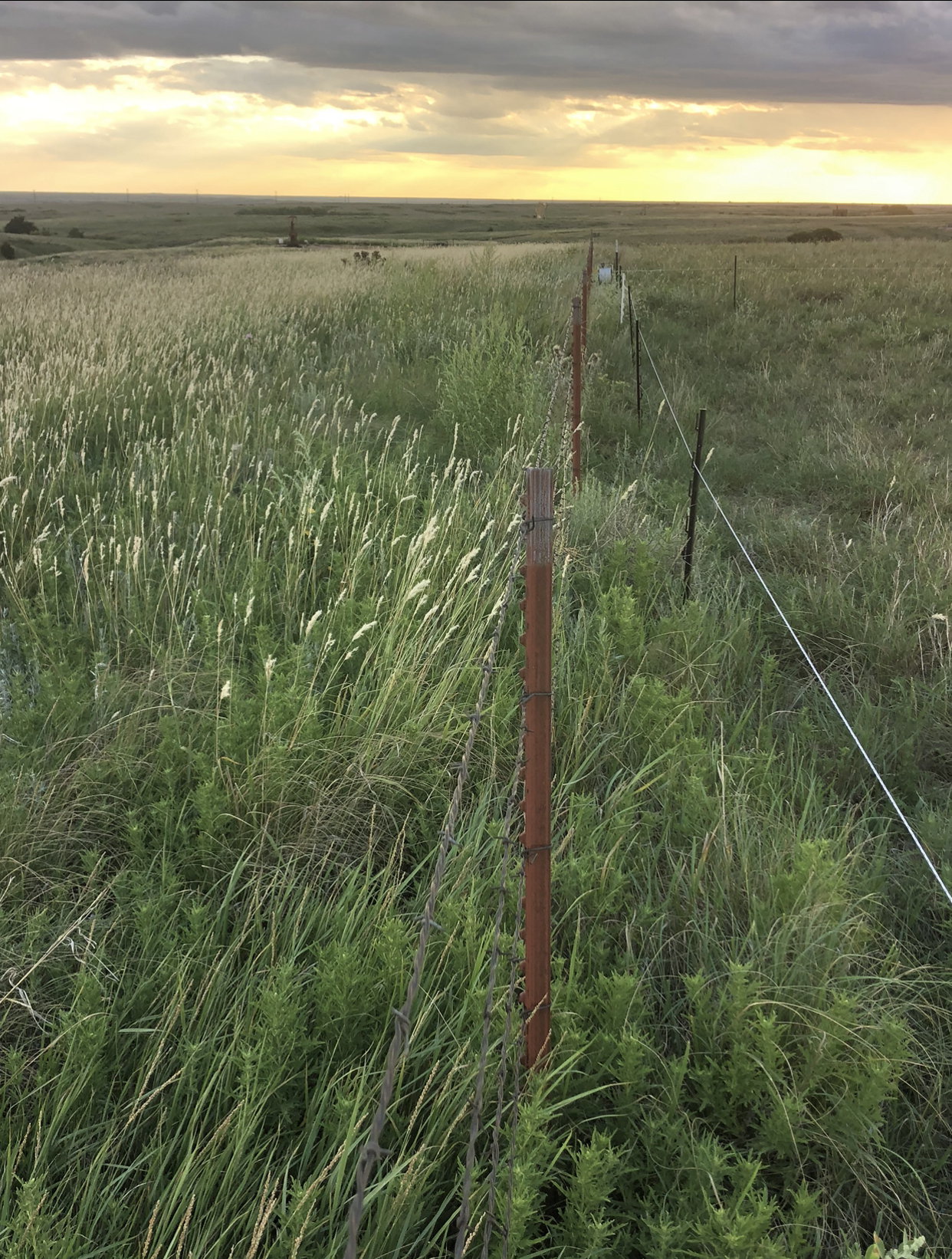
Rotational grazing map. Each line is a temporary fence that boarders natural ridges, draws, ranch roads, etc. Temporary fence moves with the cattle.
Rotational Grazing
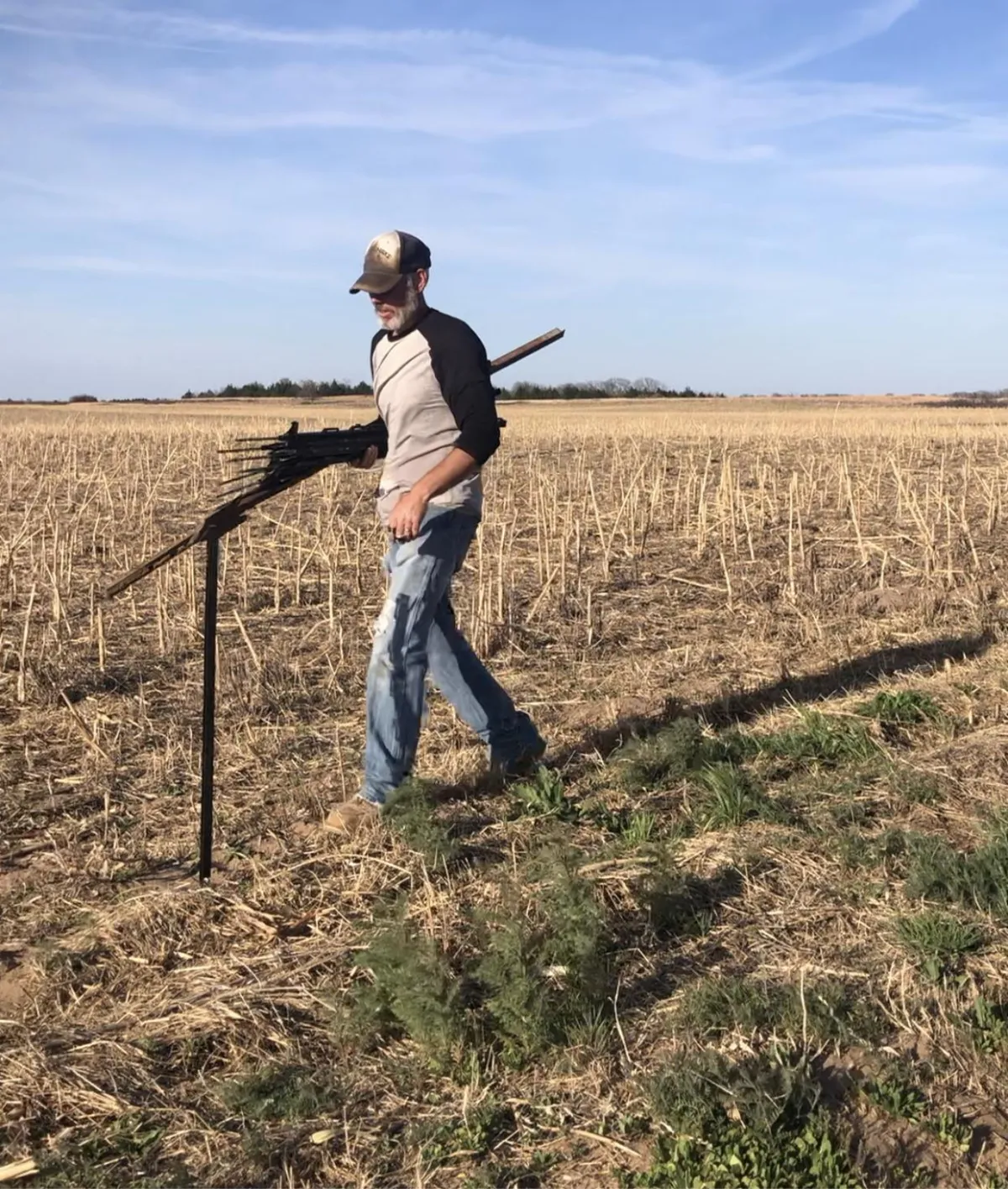
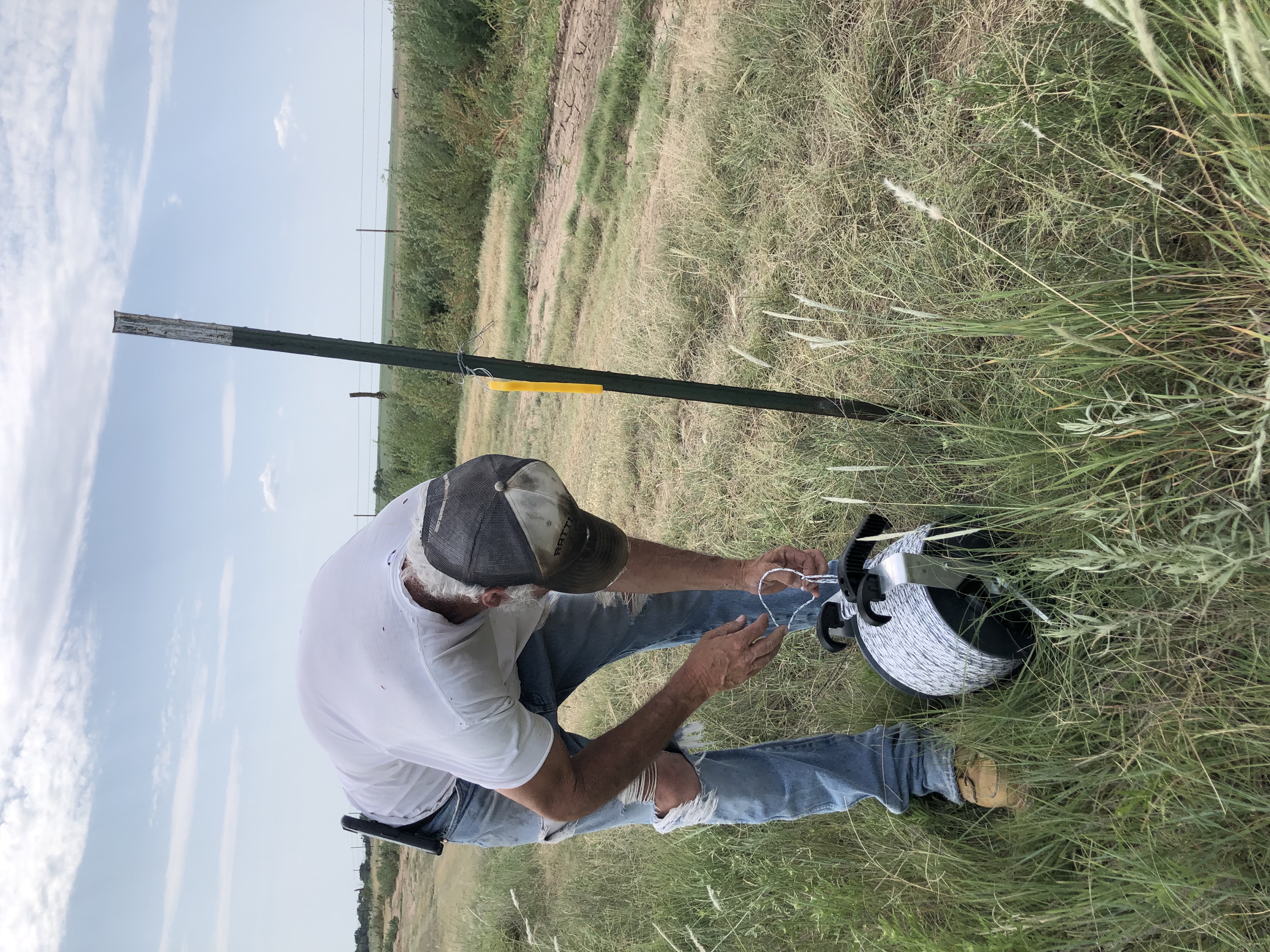
Dividing land into paddocks using temporary fencing
Moving cattle frequently with high stock density
Long rest periods so soil and plants recover
Why This Is Like Old‑World Bison Grazing
Before settlers, bison roamed in large, mobile herds. They grazed one area intensively, then moved on, letting the land rest for weeks or months
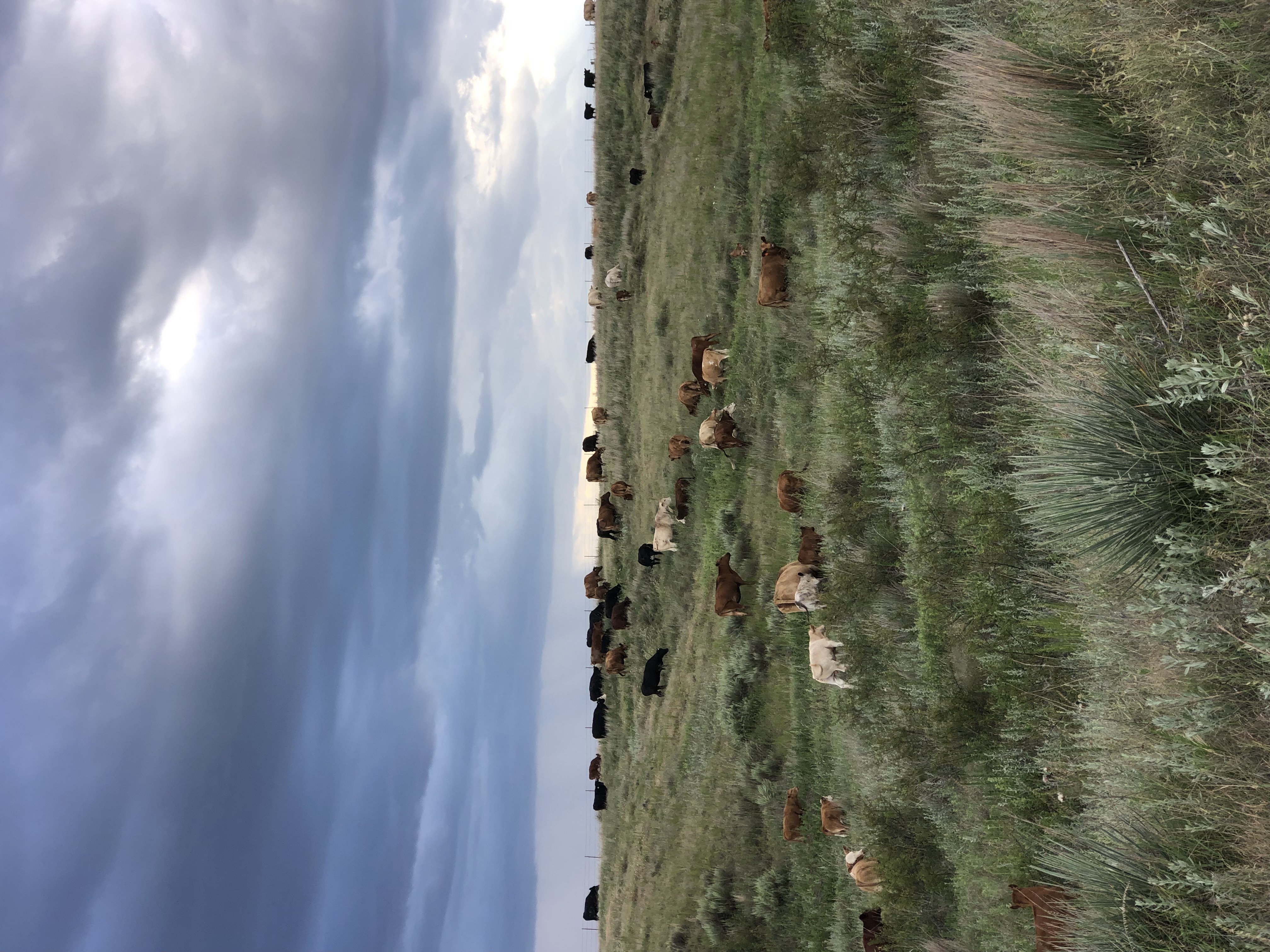
We design cattle herds to act the same way: tight, mobile groups, short stays, long recovery. This pattern rebuilds native‑like grassland structure and wildlife habitat.
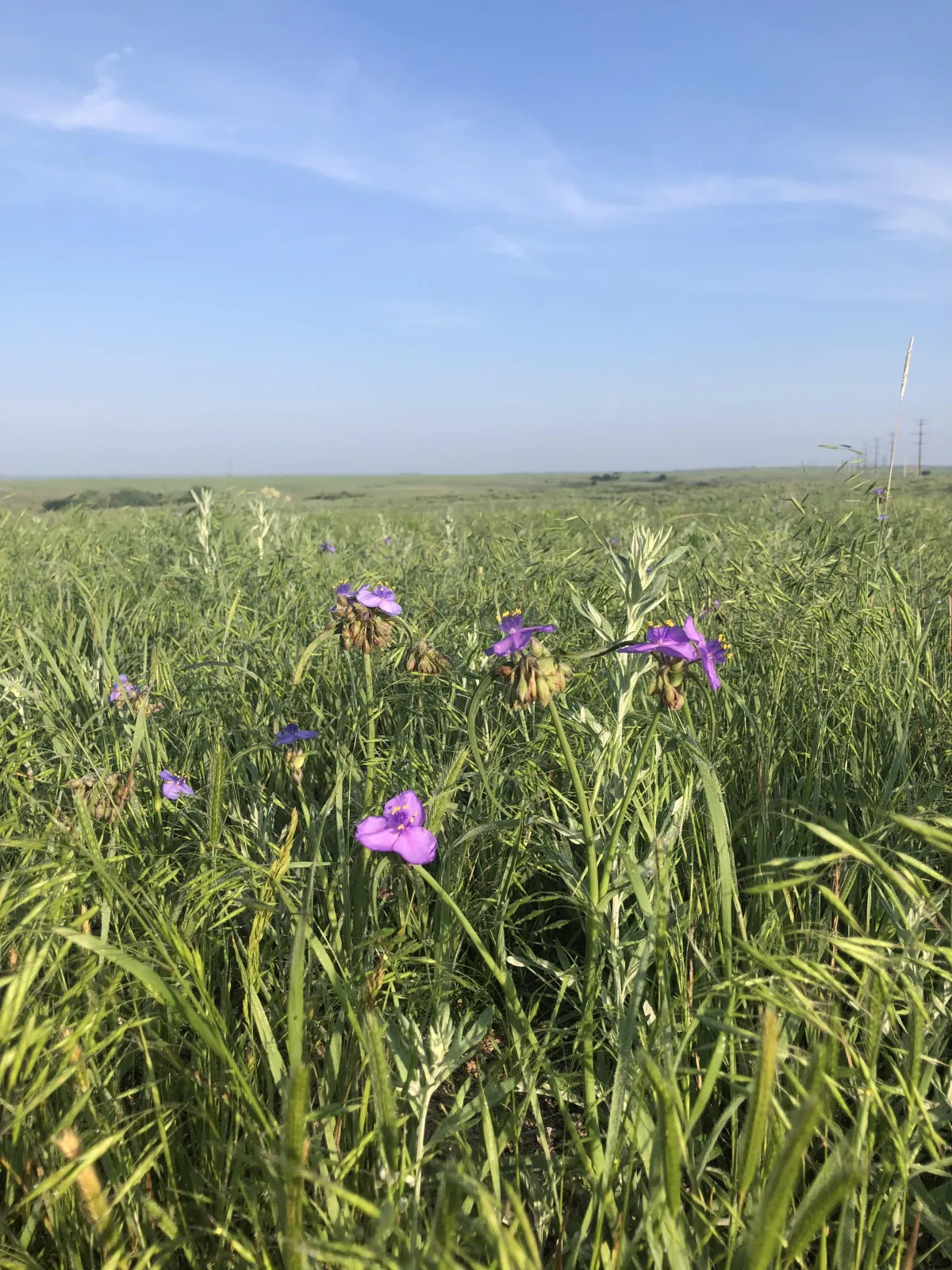
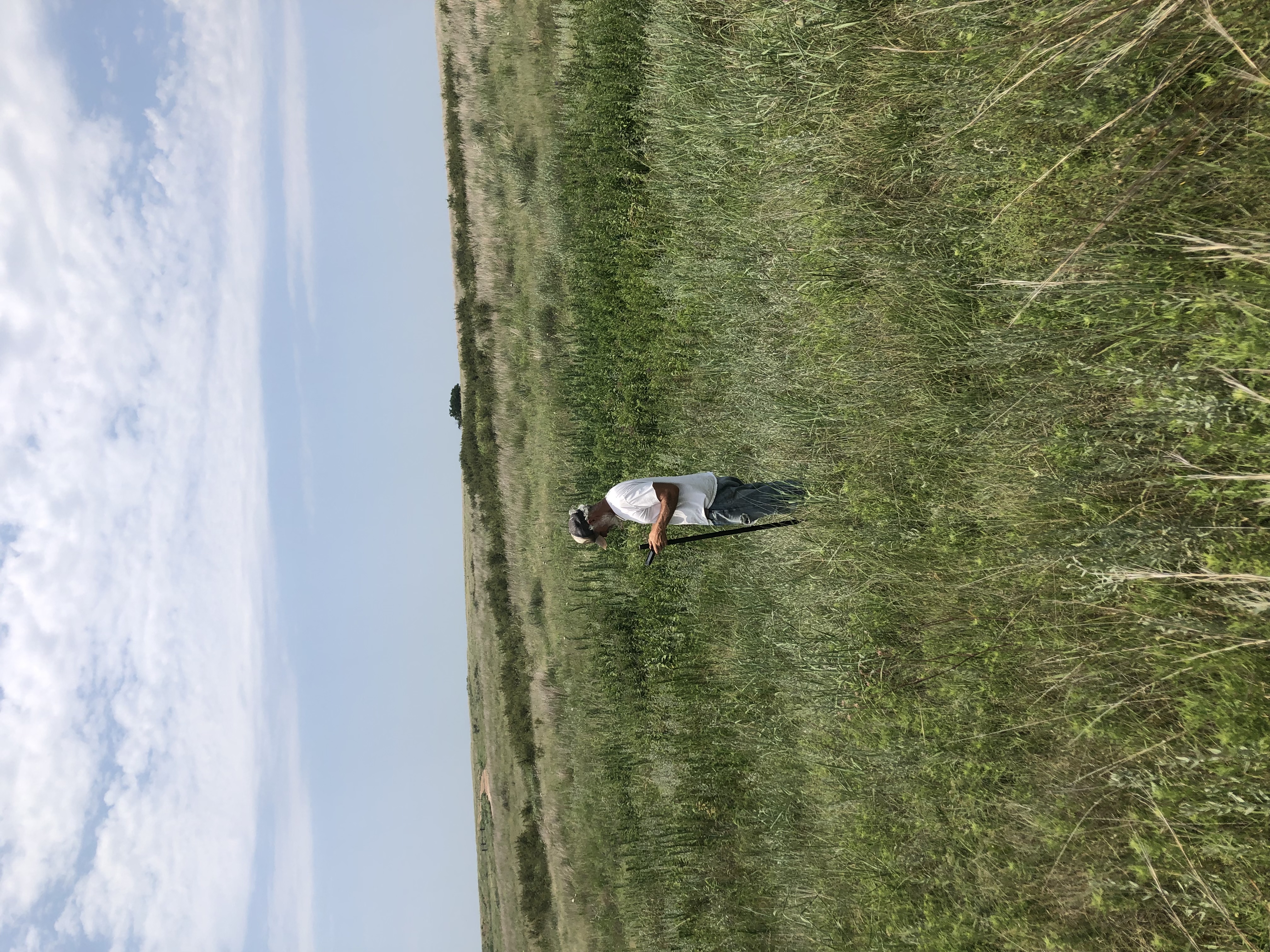
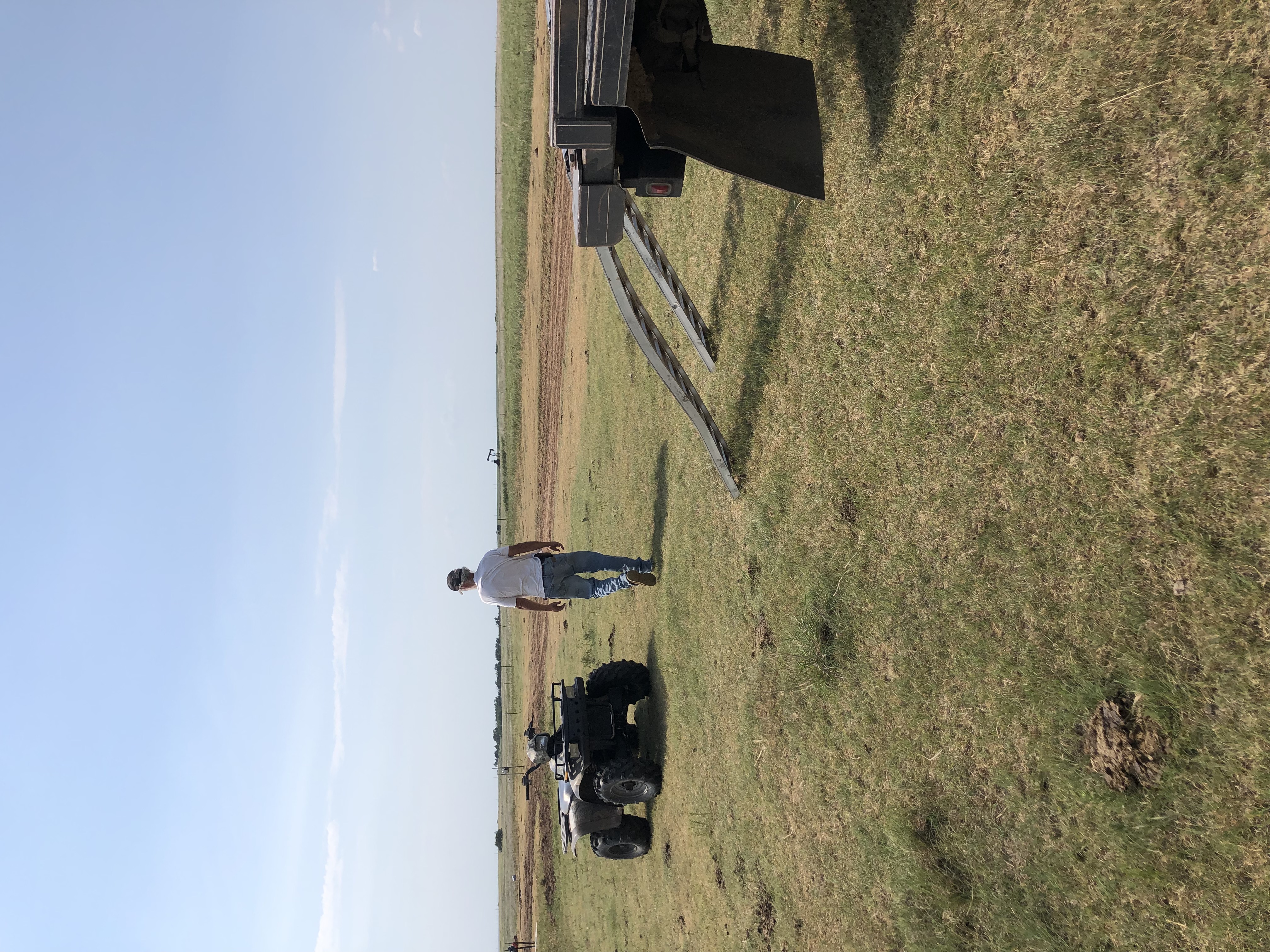
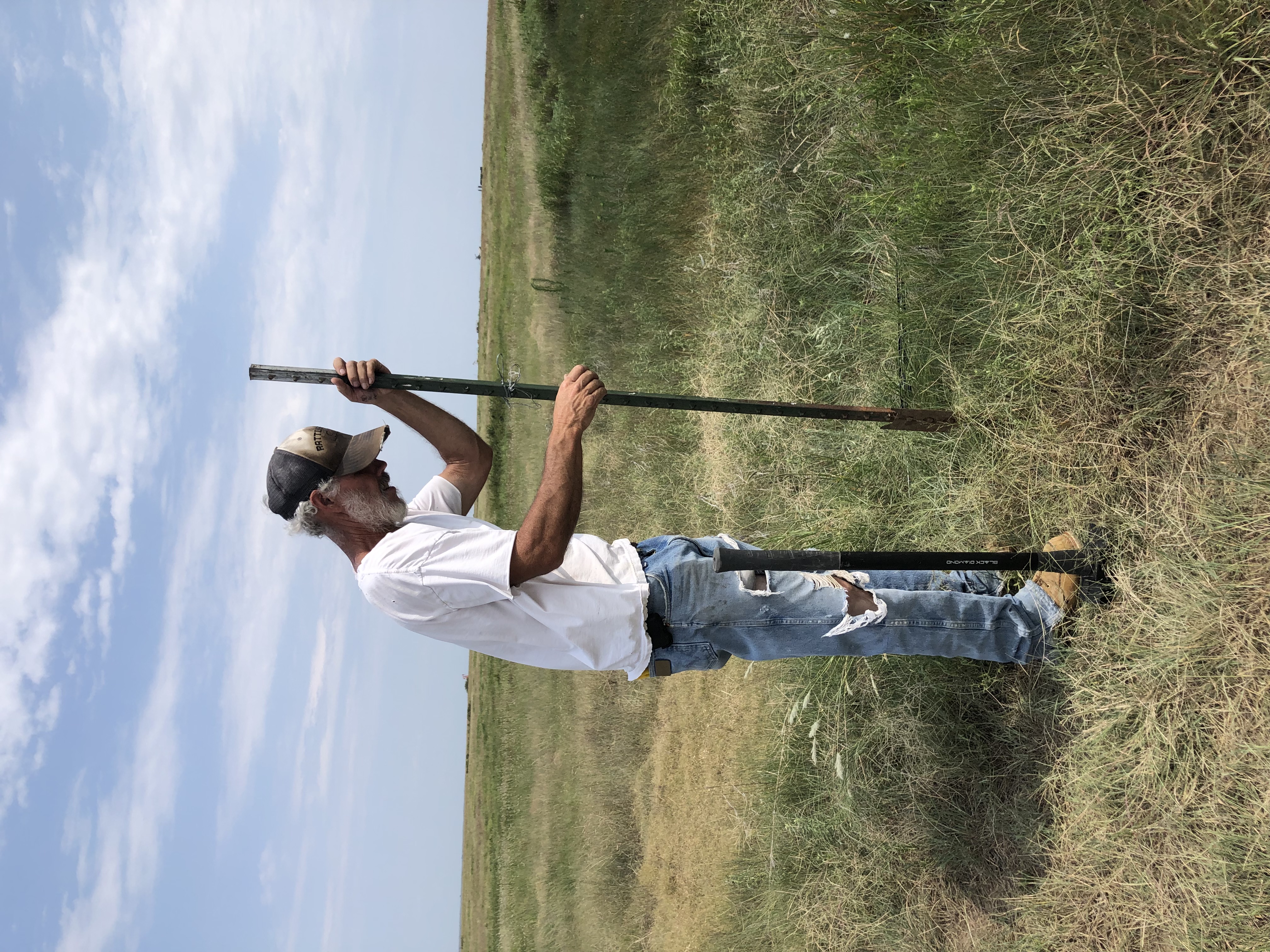
A Win For All
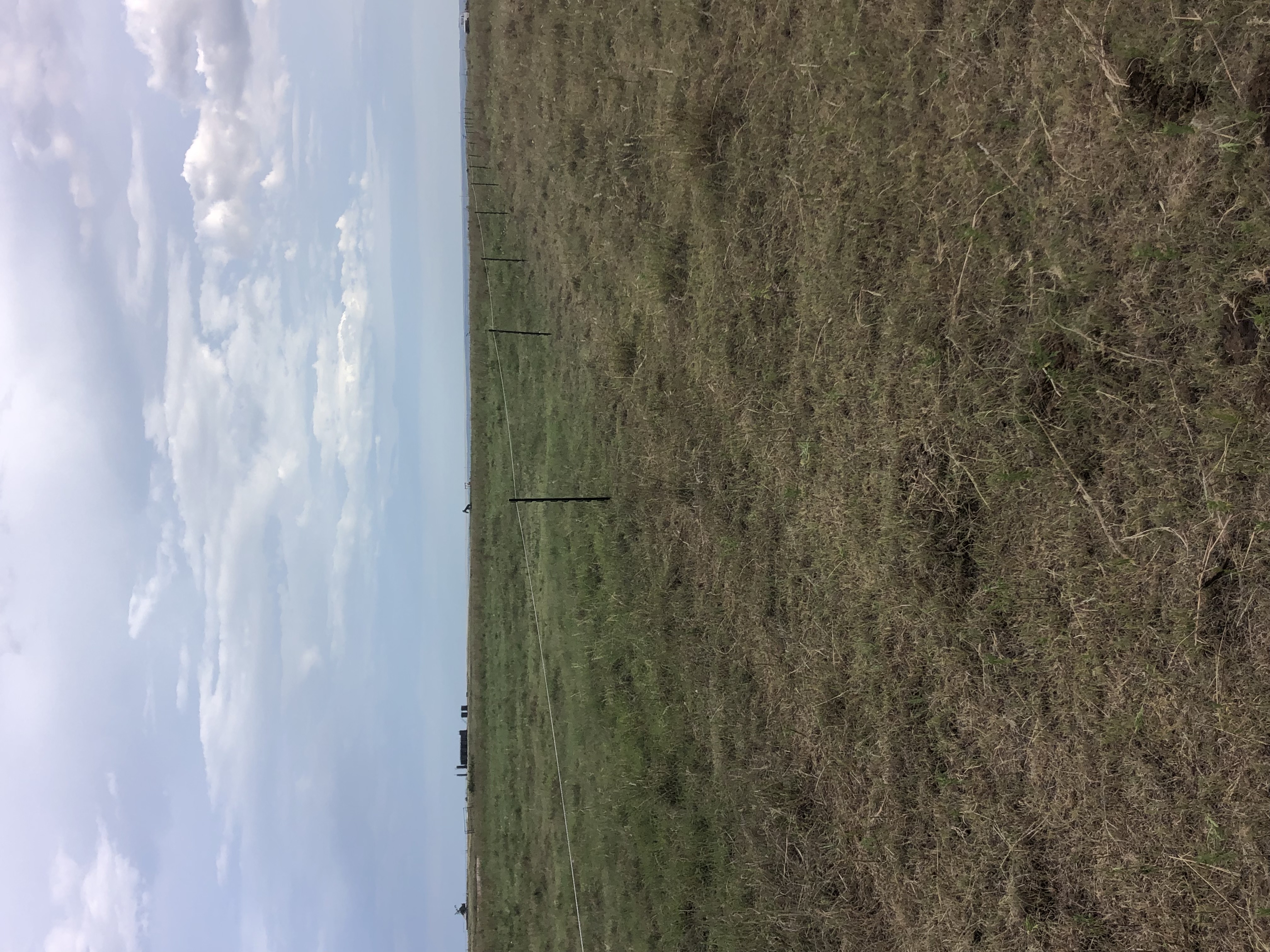
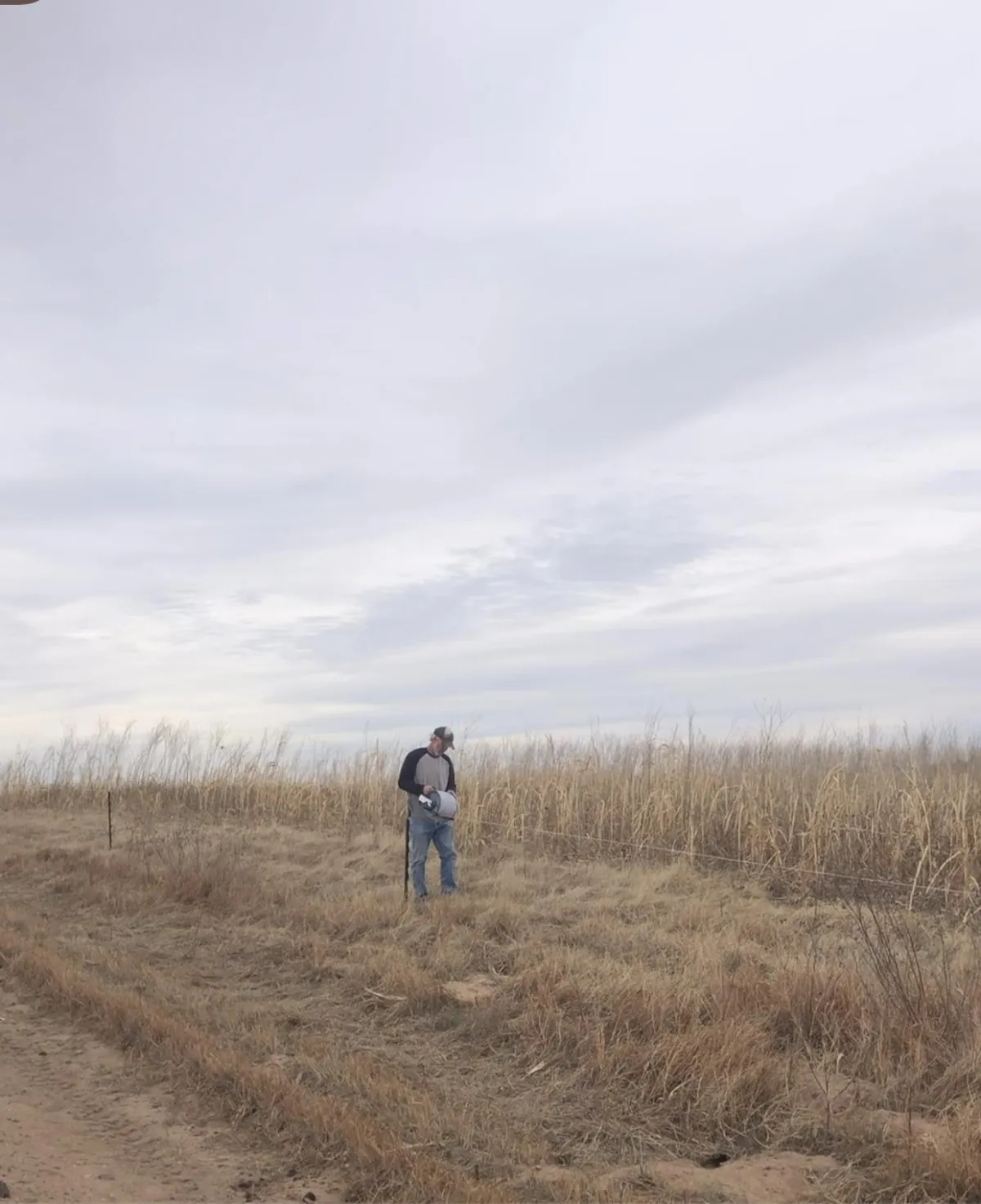
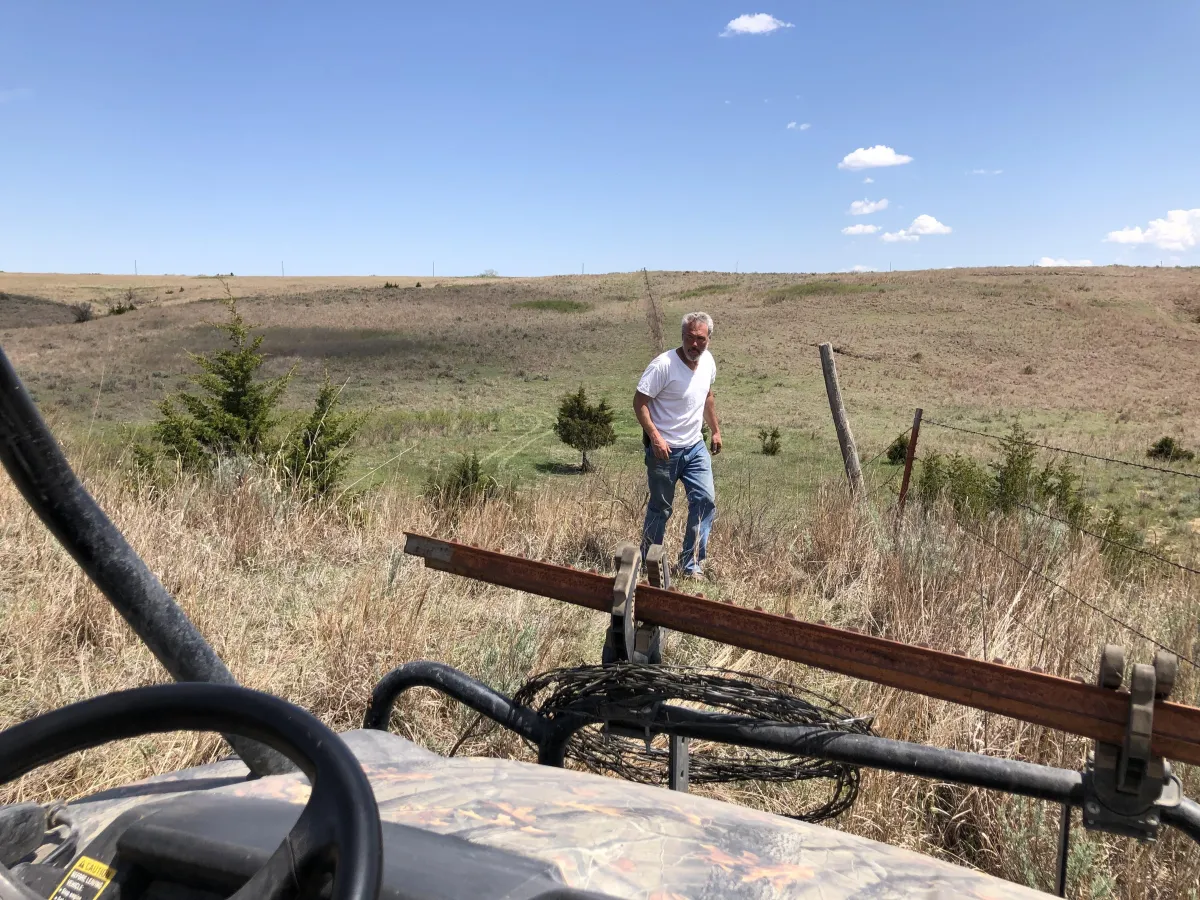
How We Keep Cattle on One Property Year‑Round
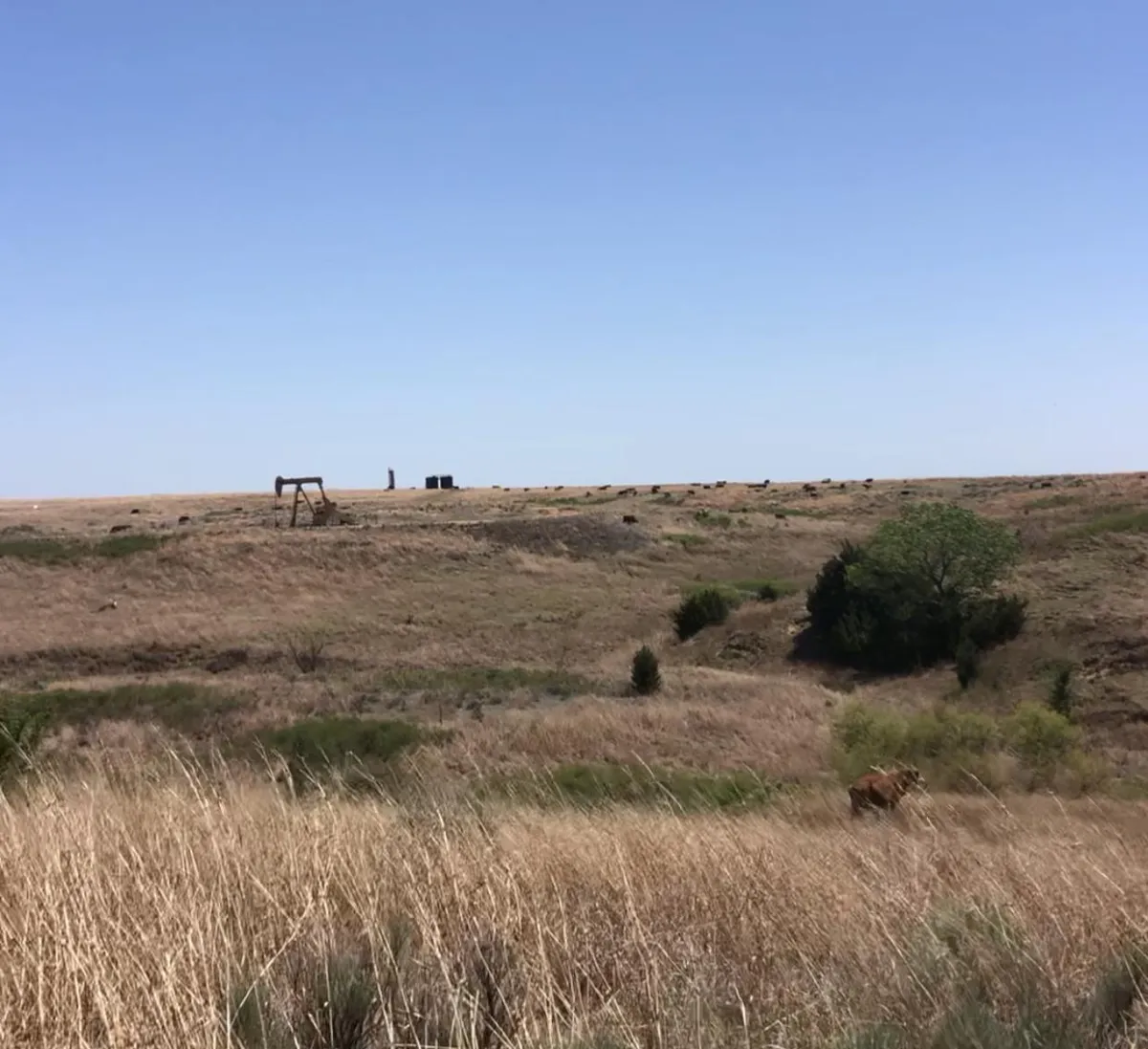
Matching herd size to forage capacity
Designing paddocks by water, soil type, and slope (following landscape lines)
Flexible stocking and seasonal adjustments (stocking density, grazing height, and rest periods)
Cattle or Wildlife?
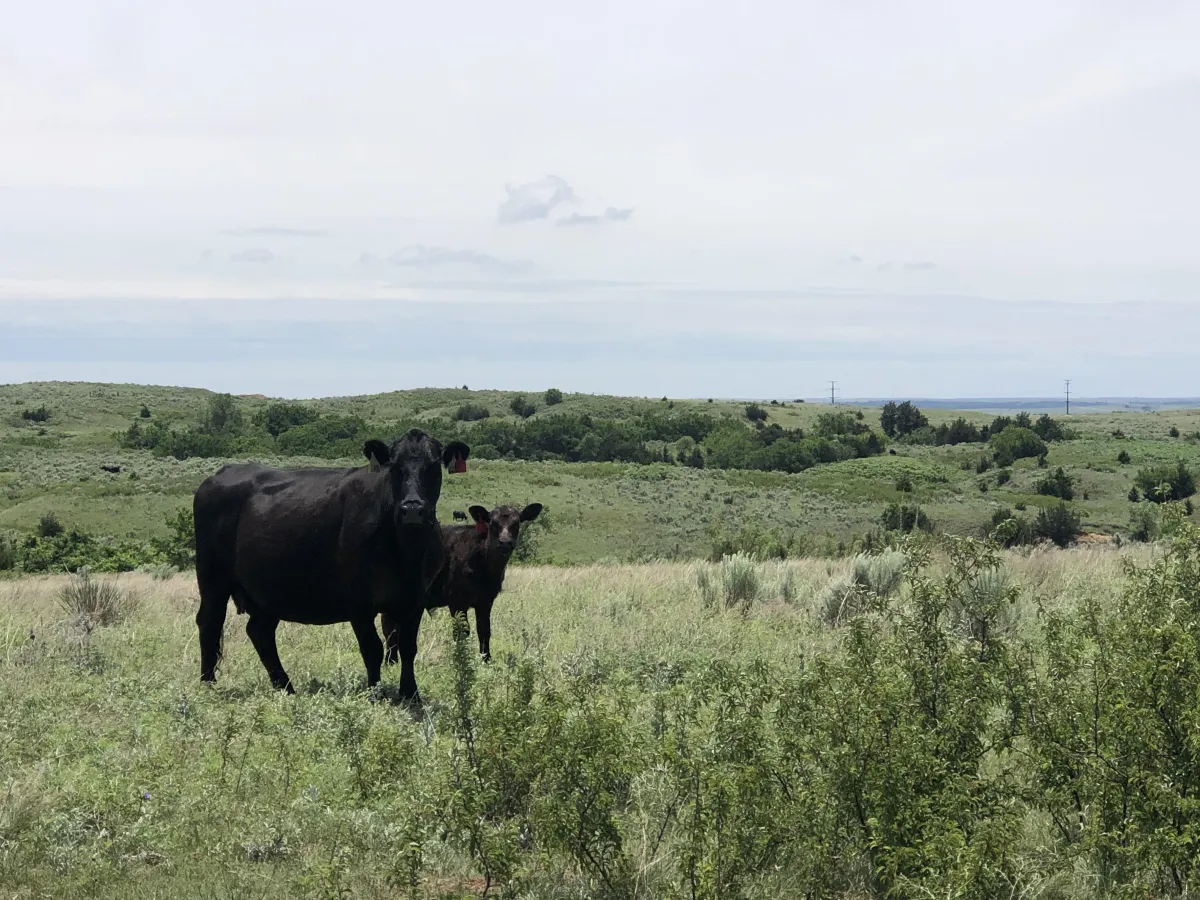
Most landowners think they have to choose cattle or wildlife. The truth is that with the right grazing plan, cattle become one of the most powerful wildlife management tools on your property.
Cattle create the habitat trophy deer or big game need
Properly managed cattle don't compete with deer. They create the habitat deer thrive in.
When cattle are moved frequently, they graze the mature grasses and move on. The fresh regrowth that follows is tender and highly attractive to deer and elk. Managed grazing also encourages native forbs, creates new browse, opens up overgrown areas, and improves bedding cover, resulting in more diverse habitat for both wildlife and livestock.
Managed grazing helps:
Grow tender regrowth deer prefer
Stimulate native forbs
Increase browse production
Open thick, overgrown areas
Improve bedding and fawning cover
Create more diverse wildlife habitat
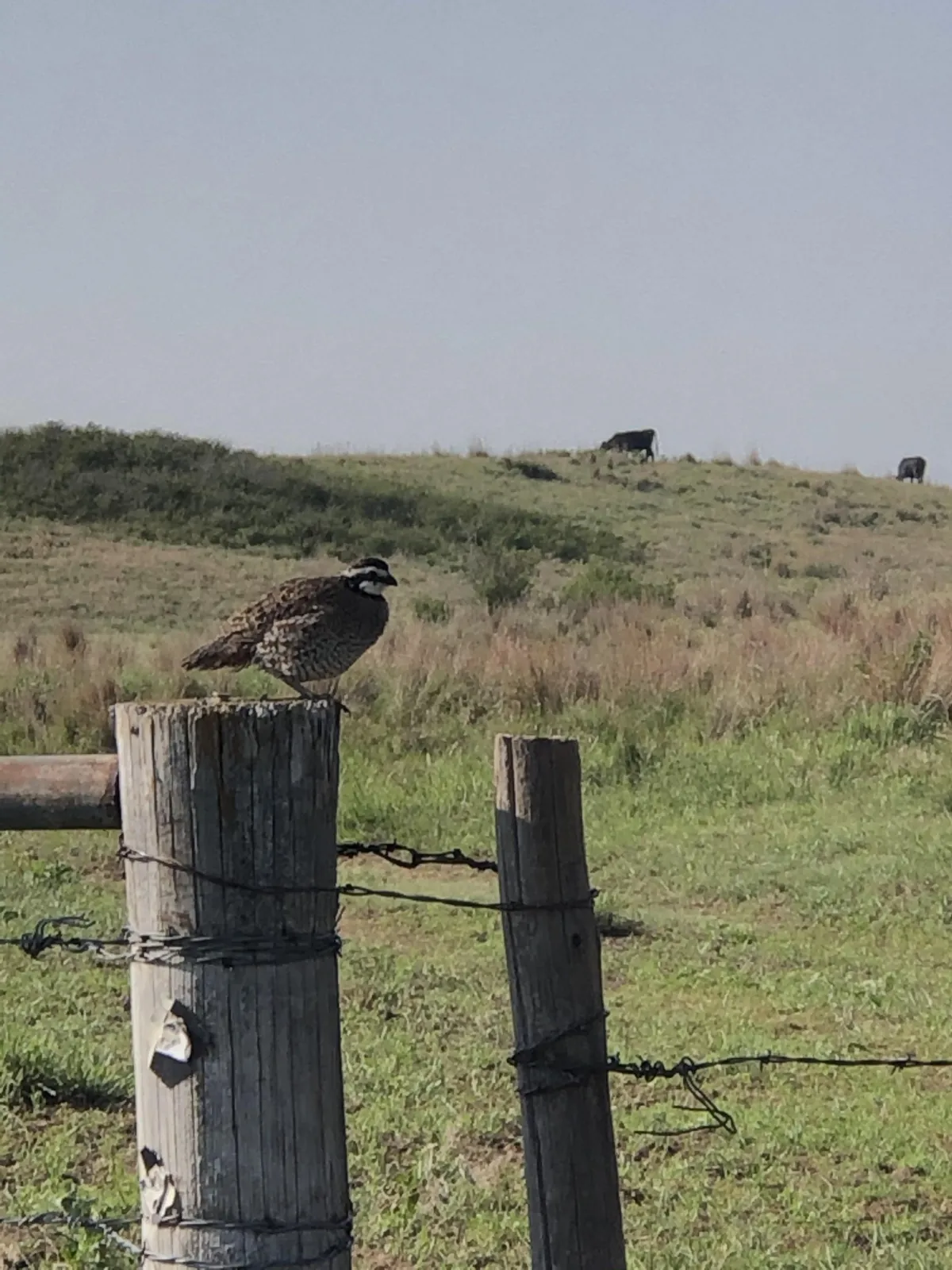
Quail & pheasants thrive in cattle-managed cover
Create cover areas
Knock down thatch
Improve seed production
Stimulate bare ground
Hooves are you most affordable land improvement tool
Break crusts
Incorporate litter.
Aerate soils
Improve water infiltration
Time cattle around sensitive seasons
Avoid nesting season
Avoid fawning season
Graze strategically
Rest at key times
Cattle improve water systems when managed well
Trample less
Reduce erosion
Improve riparian health
Boost forage production
Control woody encroachment and invasive grasses
Target undesirable plants
Reduce herbicide needs
Restore plant diversity
Improve habitat structure
You EARN income while improving habitat
Diversify income streams
Improve land value
Enhance recreational opportunities
Grazing is a Natural Disturbance
Grazing cattle works alongside prescribed burns. K State-Wildlife tells us that grazing is a natural disturbance.
Our Approach
Regenerative and Wildlife-Minded Grazing
To change and reuse text themes, go to Site Styles.
Assess: Evaluate current land health and wildlife needs.
Plan: Develop a tailored grazing plan with specific goals.
Implement: Rotate cattle strategically based on the plan.
Monitor: Track progress and adjust the plan as needed.
Adapt: Continuously improve grazing practices based on results.
Matt Wooster
Rattlesnake Cattle Company, Owner
Matt Wooster works with landowners to turn grazing into an opportunity that benefits both the land and the owner. Through thoughtful cattle management, he helps improve habitat, support wildlife, and create passive income potential from the land you already own.
Learn More
Call or Text Matt- 706-614-9981
Quick Links for More Wildlife & Cattle Management Info:


